


Editor
As the country continues to open up the economy and ease national lockdown regulations, the South African State Theatre keeps arts and music lovers entertained from the safety of their homes.

Debt counselling: Keep your assets!
While many South Africans are struggling financially, as a result of the economy and the effects of the coronavirus, debt counselling can help them to pay their debt and make sure that they do not lose their assets, such as their house, car or furniture. 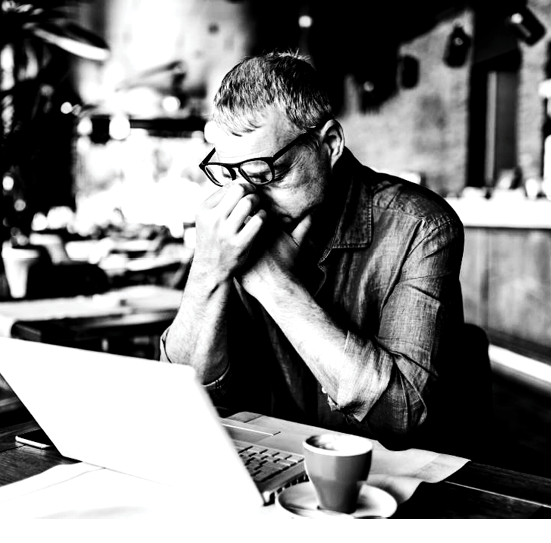
Payment holidays could cost more
People who have not been financially impacted by the effects of the Coronavirus Disease (COVID-19) should continue paying their debt, because payment holidays could cost them more money. 
According to the Office of the Ombud for Financial Services Providers (FAISOmbud), people who are struggling financially must be careful of accepting or applying for payment holidays because this can increase the amount they have to pay back.
Calling all women: Go Hustle!
The Go Hustle website is providing focused career advice for women and sharing inspirational success stories. 
Transforming the taxi industry
Transport Minister Fikile Mbalula has invited the taxi industry, workers, commuters and civil society to take part in a public dialogue about the future of the taxi industry. 
The aim of the initiative is to hear the needs and concerns of everyone involved – including commuters – so that their opinions can be included in the plan to formalise and regulate the industry.
SEDA trains youth to become business owners
The Small Enterprise Development Agency (SEDA) has empowered another 17 unemployed young people, who are ready to go out into the world and start their own businesses. 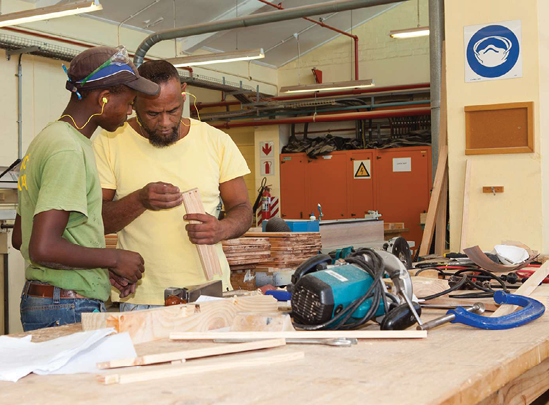
A champion for children
Parents who are quarrelling and cannot agree on the best method of raising children can now find help at the Office of the Family Advocate. 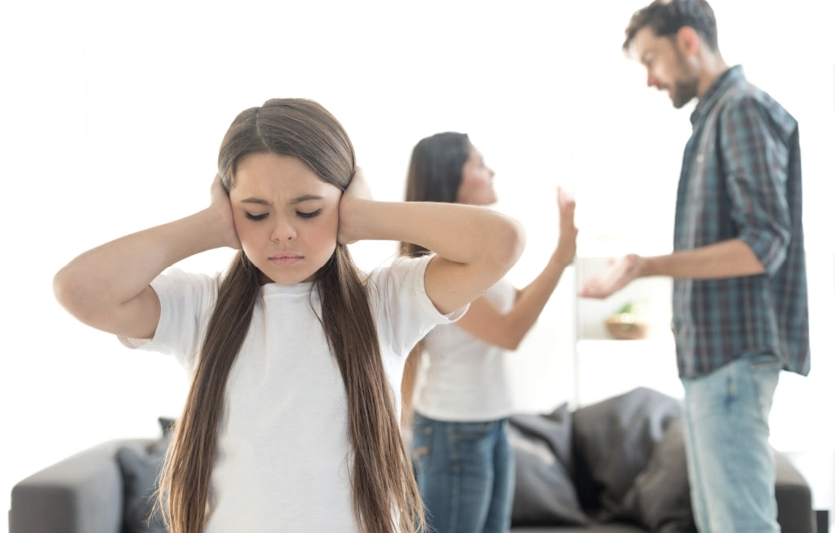
Celebrating women through economic inclusion

In August South Africa celebrates Women’s Month. This occasion marks the anniversary of the day in 1956 when 20,000 women marched to the Union Buildings – a great sea of womankind speaking many languages, from different places and of all races. They were united in their demand for an end to the dreaded pass laws and for their right to live in freedom.
Taking care of survivors of GBV
Survivors of abuse must not feel they are being judged when they tell the police or other people what happened to them because this will make them unwilling to seek help. 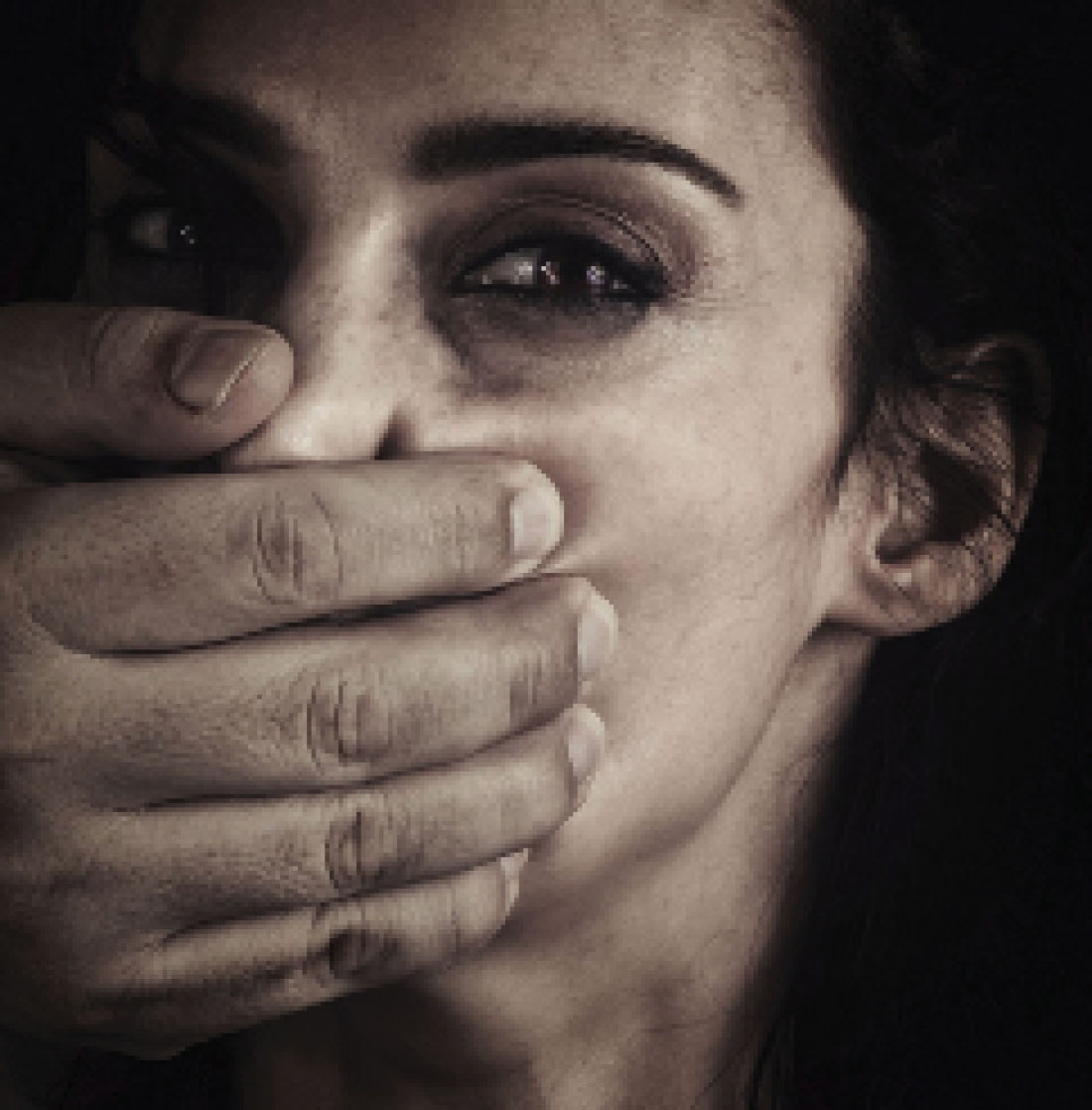
This is according to the spokesperson for the Department of Social Development, Lumka Oliphant. She says cases of violence or abuse can be reported at a police station, hospital, clinic, church, white door safe space or to a traditional leader, among others.
Abused children could become abusers
An abused child is more likely to abuse others when they grow up, but this does not happen in all cases.
This is according to Shaheda Omar, the Director of Clinical Services at the Teddy Bear Foundation, who says that when children are abused, they often feel powerless as they are unable to stop the abuse.
“If they become abusers themselves, it’s often to try and regain their power. It makes them feel that they are in control when they re-enact their own abuse. However, the feeling of satisfaction is short lived, so they keep repeating the cycle.