


Farm owners 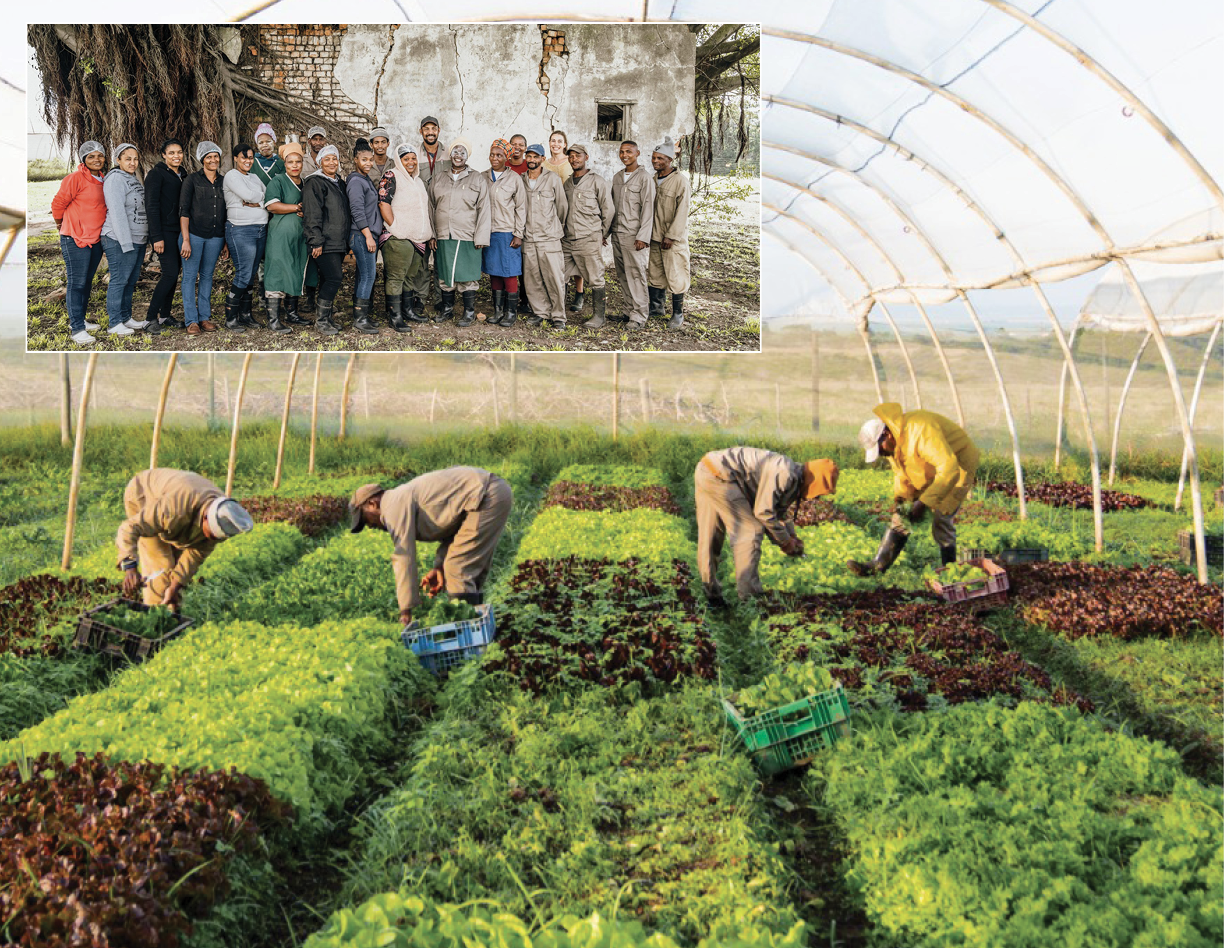 Ruan and Marike Botha are farming with purpose, driven by a vision to create jobs, grow organic food and provide an environment where young people can learn valuable skills.
With passion and support from the Small Enterprise Development Finance Agency (SEDFA), the couple is proving that agriculture can be a sustainable business. Their Papillon Organic Farm, situated between Jeffreys Bay and Humansdorp in the Eastern Cape, has already created 20 jobs.
Papillon supplies fresh produce, herbs, edible flowers and free-range eggs to local supermarkets, restaurants and customers from its farm shop. Marike believes local production is vital.
The couple previously lived in Mossel Bay and took over the farm in 2022 after deciding to move closer to family in the Kouga area.
The couple had little experience in production farming but believed agriculture could be more than a business.
Marike said her husband’s interest in farming grew after volunteer work exposed him to agriculture’s wider impact.
“[Agriculture]employs a lot of people, provides food and works with the environment. Every area should have a farm that supplies fresh produce to the local community,” said Marike.
Their growth has been shaped by persistence and learning on the job.
The Bothas relied on trial and error, research and experimentation to understand what worked on the land.
They also drew on the experience of long-serving farm workers, whose knowledge of the farm became an important source of guidance. They later benefited from support through non-profit partnerships, including an organic growing consultant who visited the farm and provided practical advice tailored to their conditions.
Mentoring young people
Over and above running their business, the Bothas focus on mentoring young people who need a safe space and guidance.
The young workers learn practical farming skills such as preparing beds, growing vegetables and caring for crops.
She recalled a young man who arrived at the farm angry and difficult to manage but, through consistent guidance and support, he grew into a trusted employee entrusted with greater responsibility.
The farm’s approach is rooted in organic production. Instead of relying on synthetic chemicals, Papillon focuses on soil health, biodiversity and natural balance.
“Biodiversity is not just a nice thing; it’s an essential crew member. If we don’t have insects, pollinators and bees, then our tomato flowers would not produce fruit.”
To build healthy soil, the farm makes its own compost from plant waste generated in its pack house. Marike said using their own compost has improved yields significantly and helped close waste cycles on the farm.
Support fuels growth
Support from SEDFA helped the farm buy a tractor with a front loader, which is used to turn and move compost materials.
SEDFA also connected the farm to technical support and food safety training. This later became important when retail clients required certification.
“We would have lost all those clients if we hadn’t had the opportunity to get the food safety training when we needed it,” Marike said.
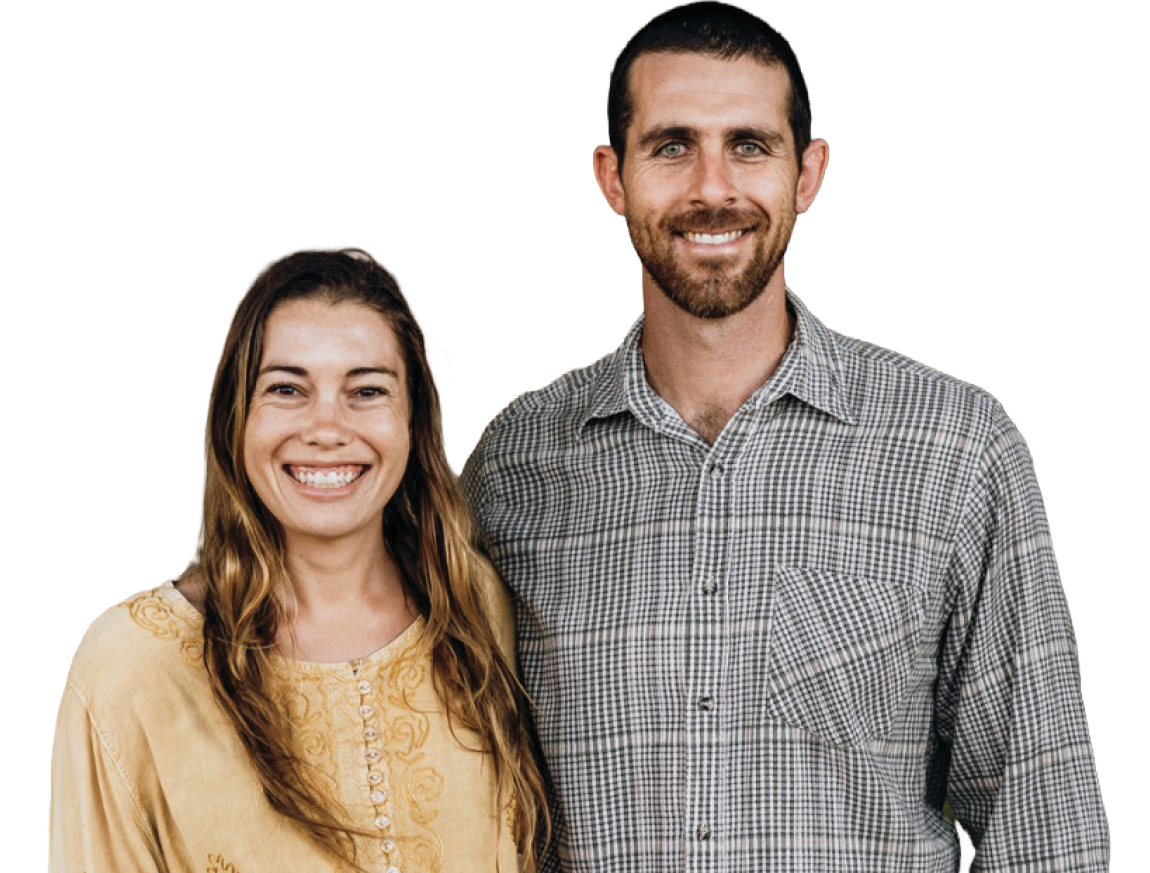 Her advice to emerging farmers is to invest in people.
“When you invest in healthy soil and a well-trained team, good things follow. People are our greatest asset, and the right team is your strongest ally in the field,” she said.
When applying for support, she encourages applicants to take the process seriously.
“Make sure that your information is correct. If you must submit a business plan, submit the best possible business plan that you can. Then, with a strong team working with and for you, there’s very little that you can’t achieve.”
 Email
Email Facebook
 Twitter
 WhatsApp