


For Nkanyiso Eric 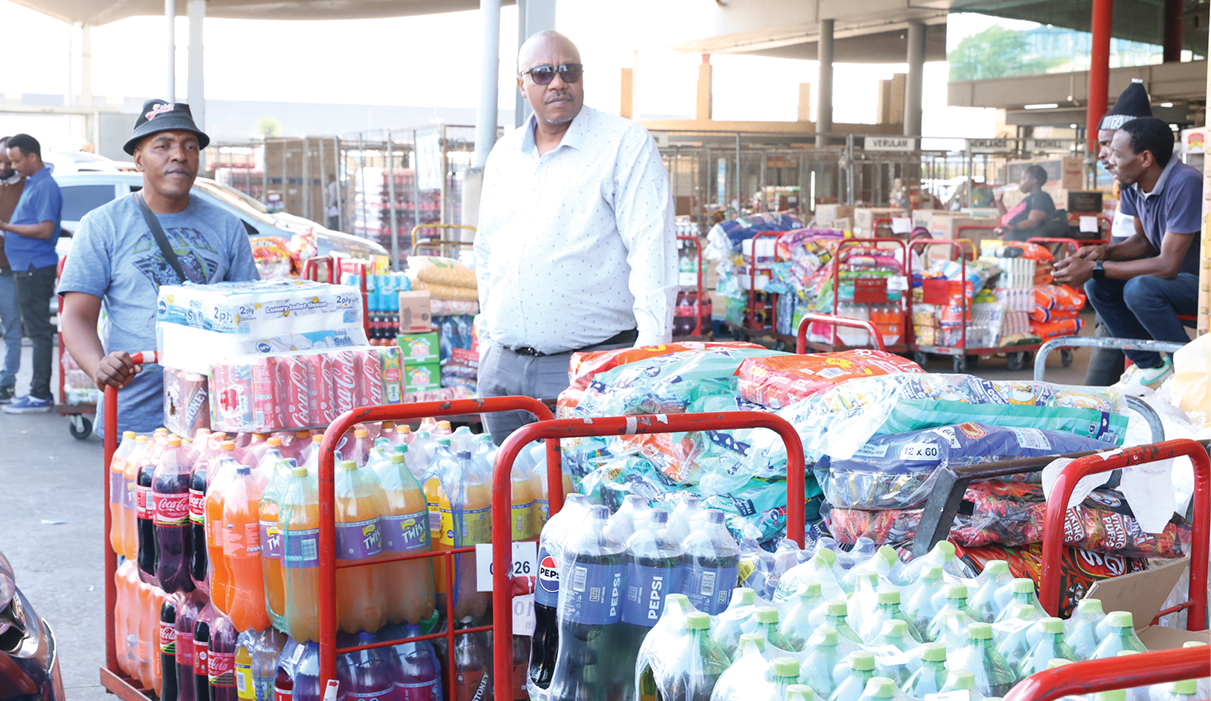 Ngobese, receiving R40 000 worth of stock for his spaza shop is more than a business transaction. It is a milestone in his journey as a Durban township trader.
Based in the city’s Umlazi K Section, Ngobese recently received stock support through the R500 million Spaza Shop Support Fund, a government initiative aimed at increasing the participation of South African-owned spaza shops in township and rural retail trade.
Speaking shortly after receiving the stock, Ngobese expressed appreciation for the excellent service and support he received from the fund.
“I will be taking it to my shop to replenish my inventory and ensure that my shelves are fully stocked,” he said.
The stock includes cool drinks, flour, rice, chips, eggs and other essential goods that are in regular demand at township shops.
For Ngobese, the value of the support is significant.
“The total cost of all the stock I received was R40 000. I never thought that I would one day purchase stock worth such a large amount. It is a significant milestone for me and I am grateful,” he said.
Upon receiving the stock, he anticipated that it would last for about six weeks, giving his business a stronger base from which to trade, generate income and plan for growth.
The Spaza Shop Support Fund was launched in 2025 to support eligible spaza shops and other food-handling outlets. The scheme offers funding of up to R100 000 per shop through a combination of grants and low-interest loans.
The support includes funding for initial stock purchases, infrastructure improvements, business development tools and the adoption of point-of-sale systems. It also assists shop owners in meeting hygiene and regulatory standards so that they can provide safe, quality products to their communities.
Importance of compliance
Ngobese’s own experience reflects the importance of compliance. He said he heard about the programme through EasyPay and later went to Stop-to-Shop, where he was required to submit his identity document, proof of residence and other supporting documents.
When applying for his permit from eThekwini Municipality, he was also required to obtain a letter from his ward councillor. His premises were assessed to determine whether they were suitable for trading and, after six months, he received his permit.
The support has strengthened his plans to expand.
“The stock will help me grow and expand my business. As the business grows, I will be able to create employment opportunities and hire additional staff to meet the increased demand,” he said.
Ngobese currently employs four people and hopes to create more jobs as the business grows.
His shop opens at 6:30am and closes at 9pm, reflecting the long hours required to keep a township retail business running.
“My advice to small 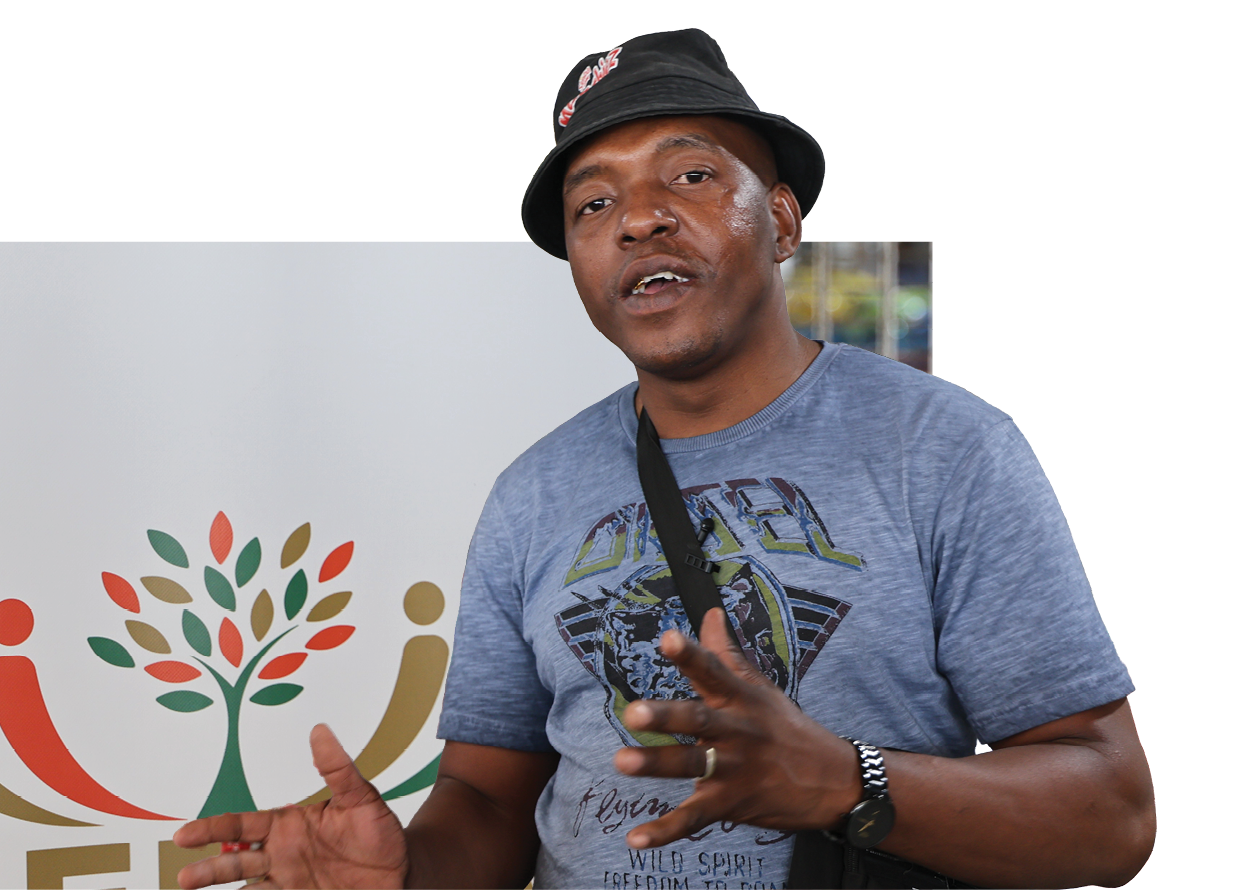 business owners is that they should love their businesses, protect them and focus on growing them. For a business to succeed, perseverance is important so that one day they too may become eligible for funding,” he said.
South African-owned spaza shops
In May, the Department of Small Business Development said it had approved about R179.6 million in support through the Fund, benefiting 2 369 qualifying South African-owned spaza shops across the country.
Of this amount, the Small Enterprise Development and Finance Agency, better known as SEDFA, approved 1 316 applications worth R79.6 million, while the National Empowerment Fund approved 1 053 enterprises worth R99.9 million. The fund has received 4 522 complete applications, with 4 240 already assessed.
However, compliance remains a major obstacle.
Only 58% of applicants are linked to valid business licences or temporary municipal permits.
The approved support covers stock purchases, point-of-sale devices, infrastructure upgrades, inventory support and business development services.
Ngobese is proof that, with support and an entrepreneurial spirit, small businesses can help uplift township and rural economies to new heights.
 Email
Email Facebook
 Twitter
 WhatsApp