When the 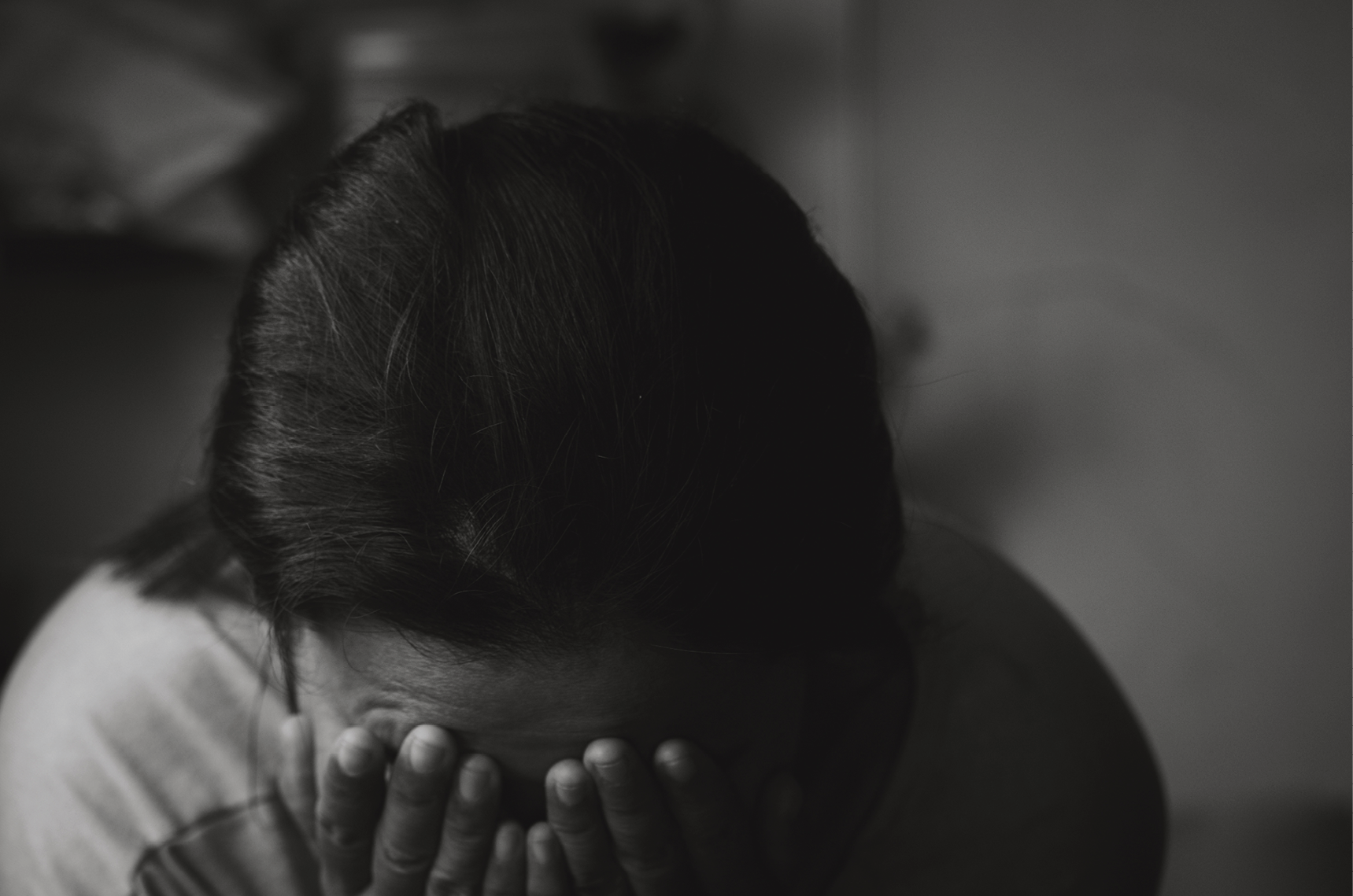 Gender-Based Violence Command Centre (GBVCC) released its 2025/26 Annual Report, emotional abuse emerged as the second most reported form of gender-based violence, with 950 incidents reported during that period.
Speaking to Vuk’uzenzele ahead of South Africa’s commemoration of the 16 Days of Activism for No Violence Against Women and Children Campaign, GBVCC Manager Carol Tladi said emotional abuse can affect anyone, regardless of their age, gender, income or educational background.
“Emotional abuse [mostly] happens in intimate partner relationships, parent-child relationships, between neighbours and among family members,” she explained.
According to the report, the GBVCC issued 950 tickets for emotional abuse incidents out of the 8 485 GBV-related and non-GBV-related social service cases recorded during the reporting period.
According to Tladi, examples of emotional abuse include:
- Words that are spoken to a person and make them feel humiliated or less worthy.
- Direct insults and verbal attacks.
- Behaviour that often leads to low self-esteem.
- Name-calling
- Intimidation
- Constant criticism
- Controlling behaviour
- Excessive possessiveness
These behaviours can cause stress and anxiety.
“In some instances, people who are emotionally abused have feelings of hopelessness and sleep disturbances, while others withdraw and isolate themselves,” she said.
Even though this type of abuse affects everyone, Tladi said most incidents during the reporting period were reported by adult women to the GBVCC.
She encouraged more people experiencing emotional abuse, especially men, to report such cases and seek help.
“We encourage men to speak up when they are distressed, regardless of the circumstances, because having hard conversations can help address a lot of issues in our society. We also discourage the myth that ‘men do not cry’ and that ‘men must be strong’. Be human. When you are faced with a challenge and you do not have the resources to tackle the problem, speak to someone so that you can get advice or intervention,” she said.
The lasting effects of emotional abuse
Tladi said emotional abuse can have serious effects on mental and physical health. It can lead to conditions such as chronic stress, depression and insomnia, among other health problems.