


Breast cancer 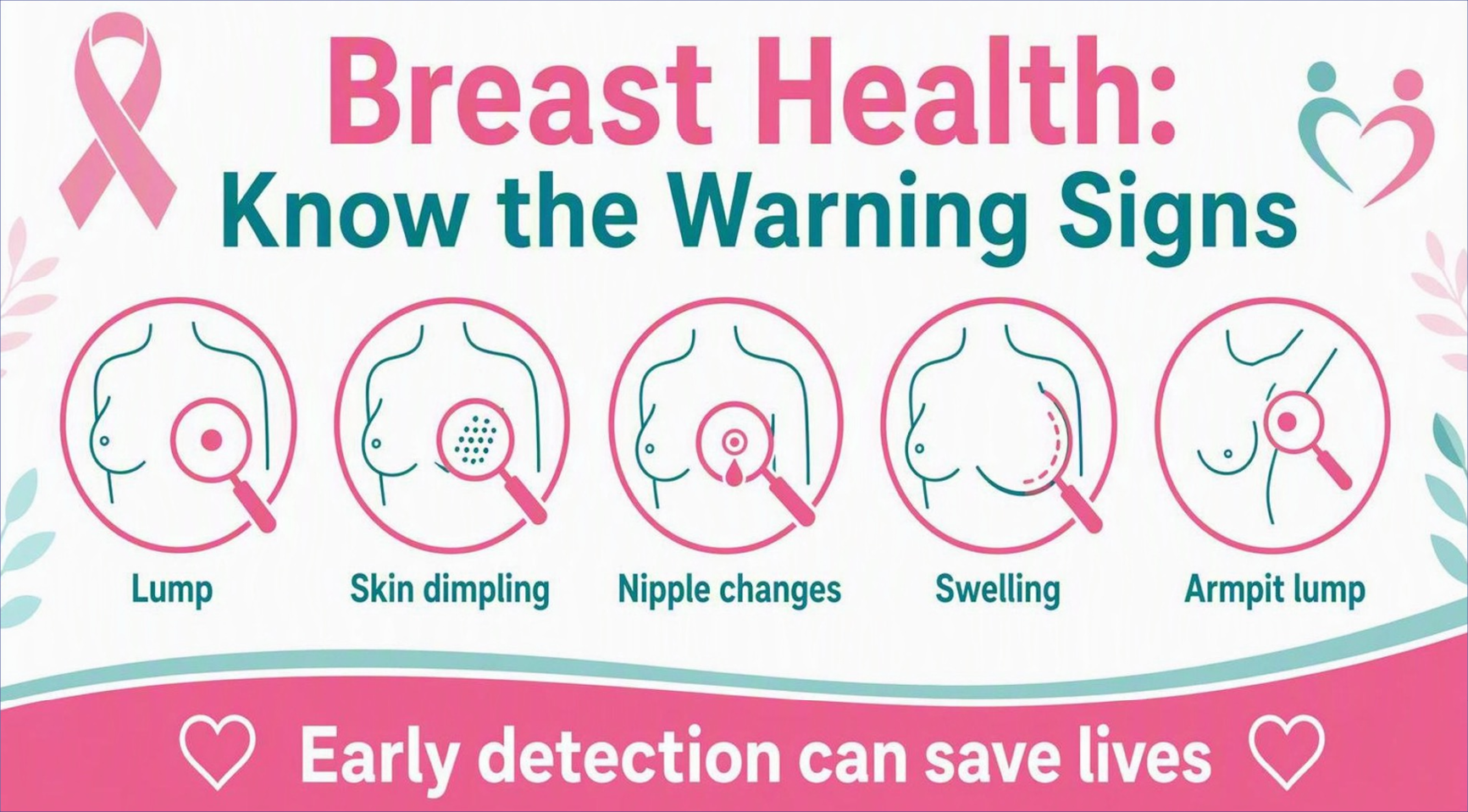 is one of the most common cancers affecting women, but early detection can make a significant difference. Knowing what is normal for your body and checking your breasts regularly can help you spot changes early and seek medical advice when needed.
According to the latest Cancer Association of South Africa (CANSA) fact sheet, breast cancer occurs when abnormal breast cells grow uncontrollably, forming tumours that can spread to other parts of the body. It can affect women of all ages after puberty, and South African women are increasingly being diagnosed before the age of 50.
Many people associate breast cancer with a lump, but there are several warning signs to watch for. These include a lump or thickening in the breast, changes in the shape of the nipple, a blood-stained nipple discharge, a rash around the nipple, swelling or a lump in the armpit, unexplained changes in the size or shape of the breast, dimpling of the skin and redness or swelling of the breast or nipple. Skin that resembles the texture of an orange peel can also be a warning sign.
Health experts stress that these symptoms do not always mean cancer. However, any unusual change should be checked by a healthcare professional as soon as possible.
How to examine yourself
CANSA recommends that women perform a breast self-examination every month from the age of 20. The purpose is to become familiar with what is normal and to identify any changes early.
Women who are still menstruating should do the examination a few days after their period, when hormone levels are more stable and breasts are less tender. Women who have reached menopause should choose the same day every month.
- Start by standing in front of a mirror with your hands on your hips.
- Look for changes in the size, shape and appearance of both breasts, paying attention to the nipples and skin.
- Next, raise your arms above your head and check whether there are any changes in the shape of your breasts, including dimples, bumps, swelling or areas that appear pulled in.
- Using the fingers of the opposite hand, gently examine each breast and the underarm area using circular motions. Check for lumps, thickening or changes in texture.
- Finally, gently check each nipple for any unusual discharge or changes.
Breast self-examinations should not replace clinical examinations or mammograms. Instead, they help women become more aware of their breast health and encourage them to seek medical advice if they notice anything unusual. Women are encouraged to visit their nearest clinics.
 Email
Email Facebook
 Twitter
 WhatsApp