
South Africa 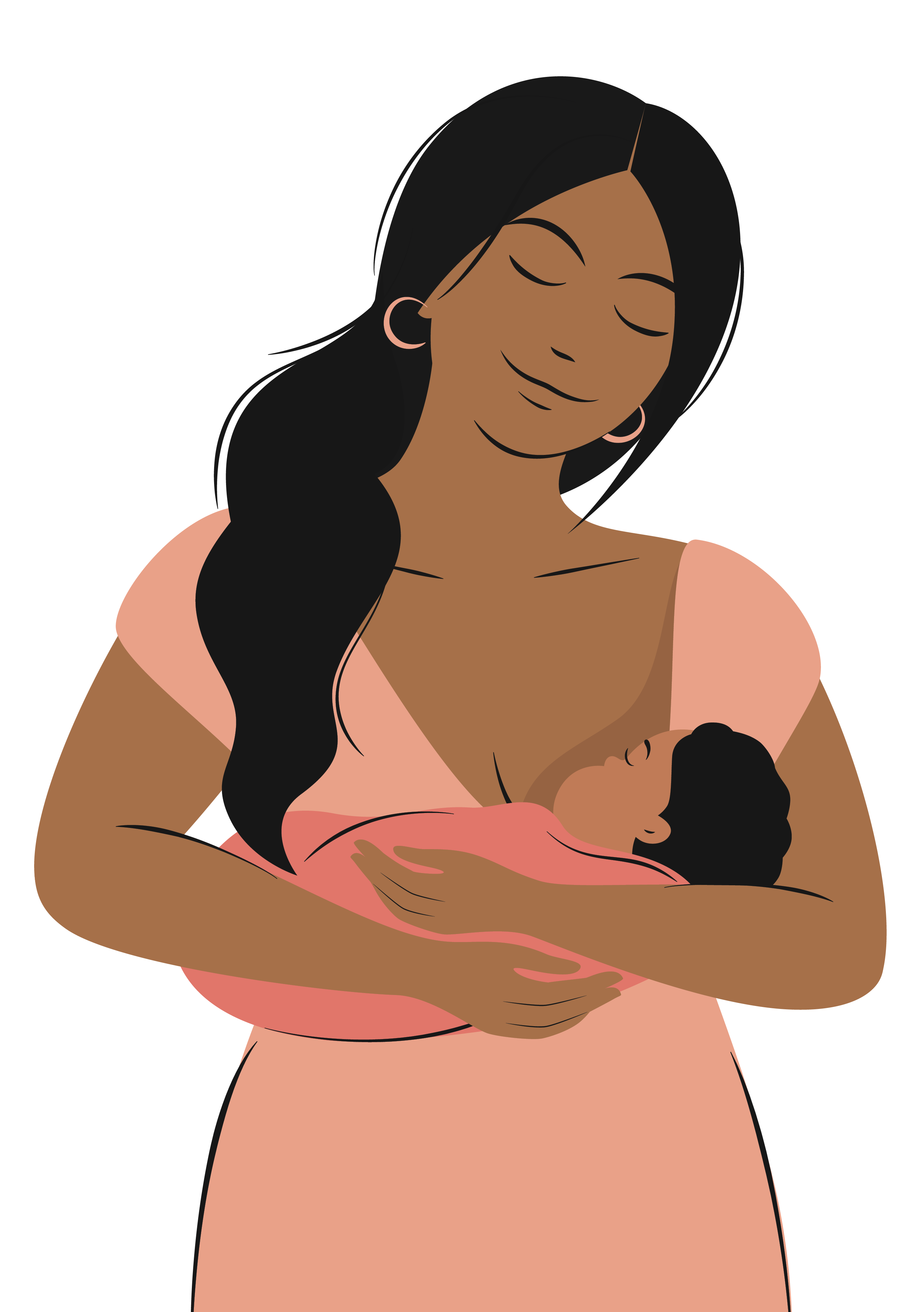 joins the global community in August to commemorate World Breastfeeding Week, an annual campaign aimed at raising awareness about the health, social and economic benefits of breastfeeding.
According to the Department of Health, breastfeeding plays an important role in infant survival and maternal wellbeing. Breastmilk remains a baby's first vaccine and provides important protection against illness and disease.
Start breastfeeding within one hour of birth
Early breastfeeding helps provide babies with the nutrients and antibodies they need to support healthy growth and development.
Exclusively breastfeed for the first six months
Breastmilk is the ideal food for infants. It is safe, clean and contains antibodies that help protect babies against many common childhood illnesses.
Mothers are encouraged to exclusively breastfeed their babies for the first six months of life. Breastmilk provides all the energy and nutrients an infant need during the first months of life and offers full nutritional benefits during this important stage of development.
Continue breastfeeding as your child grows
The Department of Health recommends that mothers continue breastfeeding alongside appropriate complementary foods until children reach two years of age and beyond. Breastmilk continues to provide up to half or more of a child's nutritional needs during the second half of the first year of life and up to one-third during the second year.
Understand the benefits of breastfeeding
Breastfeeding provides emotional and economic benefits for both mother and baby. It also contributes to efforts to reduce infant mortality, combat childhood malnutrition and lower maternal health risks.
The Department of Health said South Africa continues to face poor breastfeeding practices. National exclusive breastfeeding rates currently stand at 22%, which is below the global target of 60% by 2030.
The Department of Health said increasing breastfeeding rates will require sustained, year-round support to help South Africa achieve the global breastfeeding target of 60% by 2030 and improve health outcomes for mothers and children.
 Email
Email Facebook
 Twitter
 WhatsApp