
President Cyril Ramaphosa 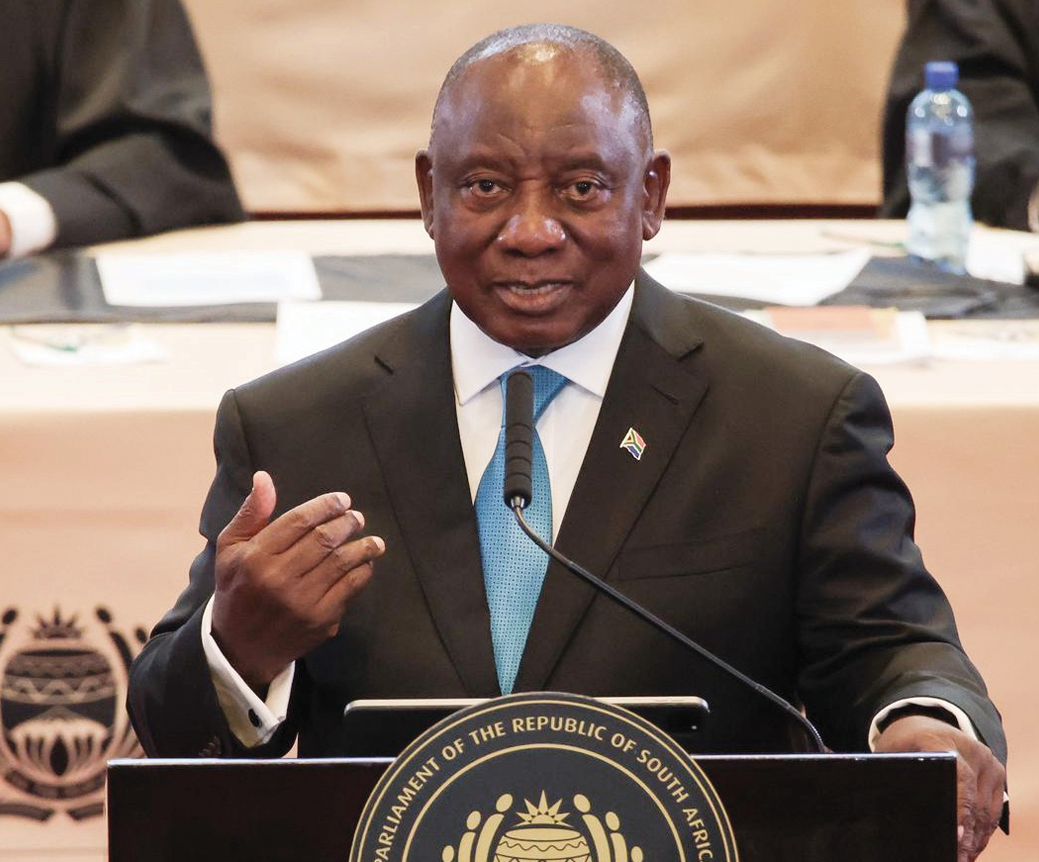 earlier this month delivered the 2026 State of the Nation Address (SONA) at the Cape Town City Hall with a clear message: South Africa must move from recovery to renewal, and from plans to practical delivery.
The speech focused strongly on bread-and-butter issues: water, electricity, jobs, healthcare and safety. While acknowledging ongoing hardships, the President struck an optimistic tone.
“As we reflect on the state of our nation, we can say that we are stronger today than we were a year ago,” he said. “Our economy is growing again, and this growth is gathering pace.”
Framing his address around South Africa’s constitutional values, the President reminded citizens that the country’s democracy carries both rights and responsibilities.
“It is a Constitution that calls on us not only to redress the injustices of the past, but to progressively realise the right of all South Africans to housing, health care, food, water, social security, education and a better and prosperous life for all,” he said.
He added: “Our strength comes from our values – the values of dignity and equality, of non-racialism and non-sexism, diversity and the inherent worth of every person… Our strength comes from one another.”
The emphasis on unity underscored government’s belief that economic growth and social stability depend on partnership between communities, business and the state.
Growth and Jobs
Economic reform and infrastructure investment remain central to government’s strategy. Over R1 trillion has been allocated for infrastructure over the next three years, targeting energy, water, transport and digital systems.
The President pointed to the success of employment programmes in cushioning vulnerable households. “We have created over 2.5 million opportunities through the Presidential Employment Stimulus, mainly for young people and women,” he said.
He also confirmed that social protection will continue. Referring to the Social Relief of Distress grant, he said: “Since it was introduced during COVID-19, the Social Relief of Distress grant has kept millions of South Africans out of food poverty… This year, we will redesign the grant to more effectively support livelihoods, skills development, work opportunities and productive activity.”
For many families facing unemployment, this redesign aims to move beneficiaries closer to sustainable income opportunities.
Water Security
Water shortages affecting towns and metros received special attention. In this regard, the President announced the establishment of the National Water Crisis Committee, which he would chair, to coordinate urgent interventions in struggling municipalities.
The President signalled that failing infrastructure and mismanagement will no longer be tolerated, stressing that municipalities must be held accountable for service failures. The renewed focus on water security recognises that access to clean water is essential for dignity, health and economic activity.
Energy Reform
Energy stability remains vital to economic growth. The President declared progress in stabilising electricity supply, stating: “We have brought an end to loadshedding and built a more dynamic and resilient energy system.”
The President said government aims to end load reduction by 2027 through expanded generation capacity, transmission upgrades and continued reform in the electricity sector.
Reliable power is expected to boost small businesses, protect jobs and strengthen investor confidence.
Transport
Plans for high-speed rail corridors, including the Johannesburg–Musina and eThekwini–Johannesburg routes, are progressing. These projects aim to reduce travel times, stimulate economic activity and modernise South Africa’s transport network.
Upgrades to freight rail and port infrastructure are also expected to lower logistics costs and enhance competitiveness.
Fighting Crime and Strengthening Justice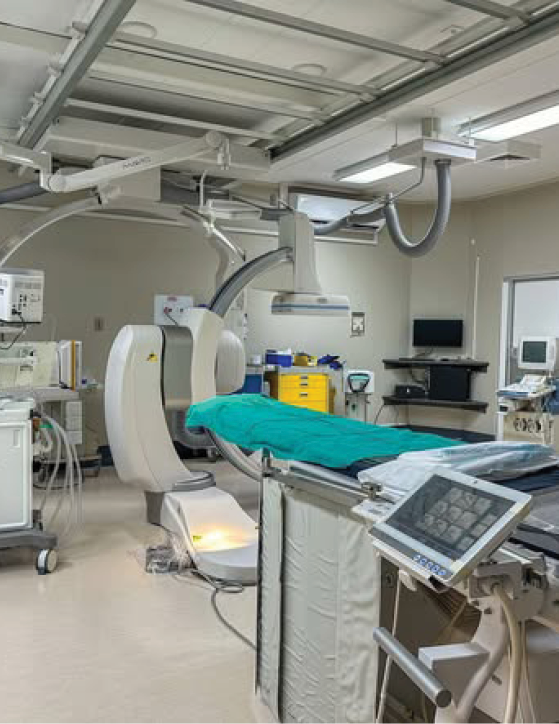
Crime and corruption remain pressing concerns. The President warned: “Organised crime is now the most immediate threat to our democracy, our society and our economic development.”
He announced strengthened capacity for law enforcement agencies, including the Directorate for Priority Crime Investigation, the National Prosecuting Authority and the Special Investigating Unit. A new Whistle-Blower Protection Bill will further safeguard those who expose wrongdoing.
Healthcare
Government is investing in upgrading hospitals and health infrastructure to improve services and prepare for expanded universal healthcare reforms.
Public healthcare facilities, which serve the majority of South Africans, are set to receive infrastructure improvements aimed at enhancing patient care.
 Email
Email Facebook
 Twitter
 WhatsApp