Publisher
SA shows its sporting muscle
For a long time, South African sport was isolated from international events because of the country’s apartheid regime.
SA reflects on unity
South Africa has made a lot of progress since 1994, with many citizens agreeing that the country is a much better place.
South Africans from different walks of life shared their views on how the country has fared when it comes to nation building.
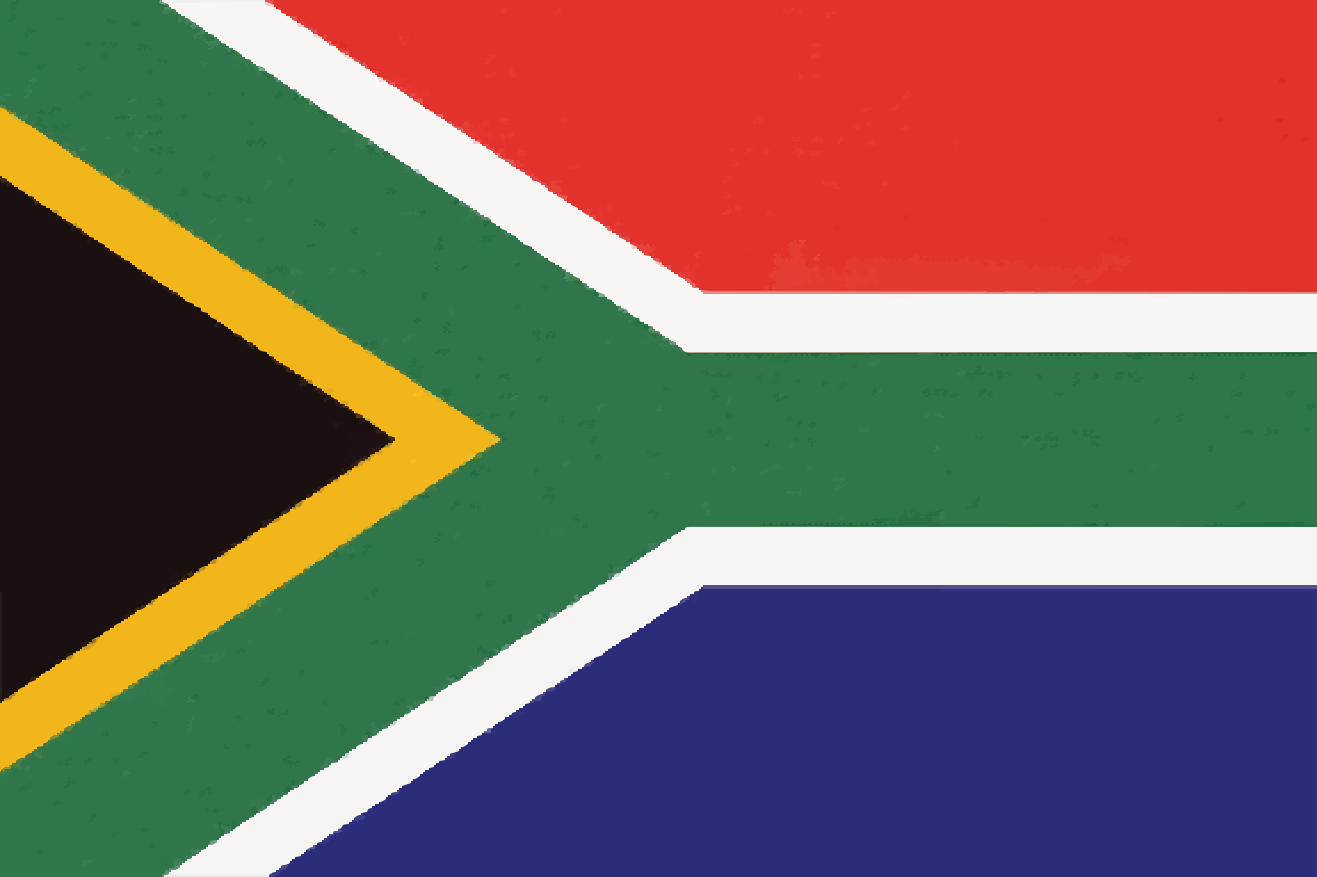
National symbols unite diverse SA
South Africa is a diverse country with many cultures but also a deeply divided past.
When the democratic government came into power in 1994, one of its biggest challenges was to unite the country and create a shared sense of identity. To help achieve this government introduced a range of national symbols, each symbolic of the country’s diverse cultures.
South Africa in the global arena
Former President Mandela once described apartheid South Africa as the “skunk of the world” that was diplomatically, economically and culturally isolated from the rest.
Opportunities for SA youth on the rise
“Education, skills development and job creation are the most powerful weapons that the youth will need to enable them to run the country's modern economy efficiently.”
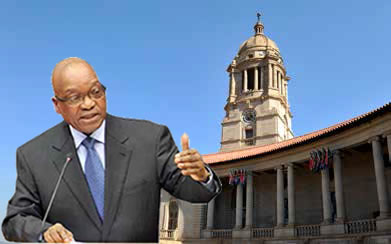
This is the view of President Jacob Zuma, who recently spoke about the importance of the country’s youth during the recent inaugural Presidential Indaba on Youth Jobs and Skills.
Women, people with disabilities empowered
Before 1994, apartheid, colonialism, cultural and religious practices in South Africa promoted the oppression of women.
What it took to grow SA’s economy
From a virtually bankrupt state to a thriving trillion rand budget, South Africa’s economy is undoubtedly a world away from what it was 20 years ago.
A declining employment rate, low investment levels, a poorly educated workforce and large monopolies - these were the features that characterised the South African economy in the period leading to 1994.