The Minister of 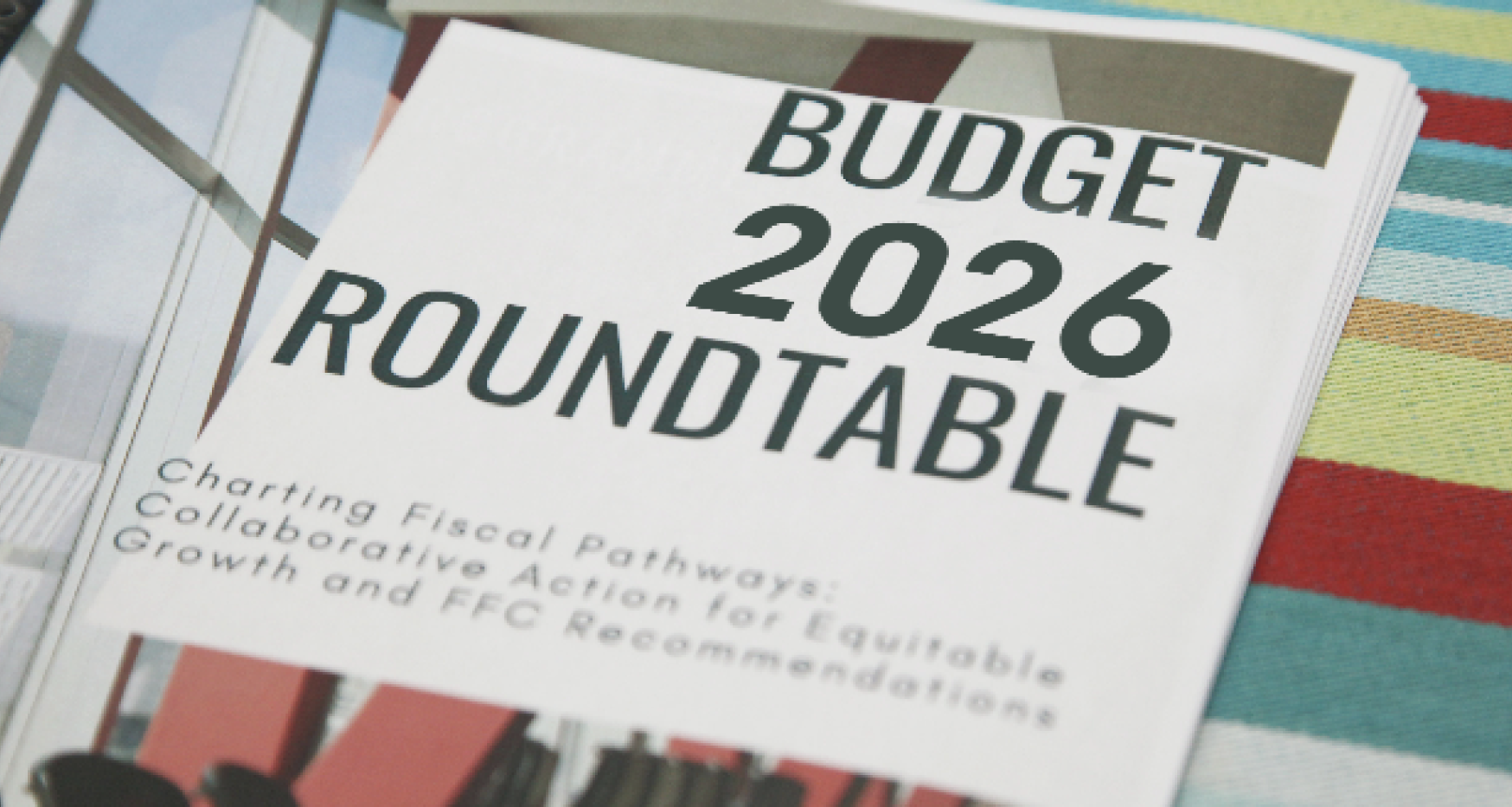 Small Business Development Stella Ndabeni has welcomed the 2026/2027 Budget Speech recently delivered by the Minister of Finance Enoch Godongwana.
In a statement released by the Department of Small Business Development (DSBD) shortly after the Budget Speech, Minister Ndabeni said: “this budget demonstrates that government is listening to the entrepreneurs who are the backbone of our economy.”
Support for MSME's
The Minister of Finance has announced key adjustments that directly address the challenges faced by Micro, Small, and Medium Enterprises (MSMEs).
Firstly, the significant increase in the compulsory VAT registration threshold from R1 million to R2.3 million is a major victory for small businesses across the country.
“By raising this threshold, we are ensuring that businesses can grow without being prematurely burdened by complex administrative requirements. This bold step in addressing red-tape allows entrepreneurs to focus on what matters most: stabilising their operations, creating jobs, and contributing to economic growth,” she said.
She added that it affirms government’s understanding that incentivising MSMEs is essential to building an inclusive economy. Furthermore, the budget includes critical measures to support older South Africans who have dedicated their lives to building enterprises.
The Minister said the increase in the capital gains tax exemption for the sale of a small business from R1.8 million to R2.7 million is a welcome step.
“By also expanding the eligibility threshold for this exemption to businesses worth up to R15 million (increased from R10 million), we are enabling more founders to retire with dignity and unlock capital that can be reinvested into the economy,” Minister Ndabeni said.
Adjustments are more than just numbers; they are a direct investment in the confidence of the small business sector, Minister Ndabeni added.
The DSBD reiterated its commitment to complementing these fiscal measures with its own non-financial support, including improving access to markets, enhancing business development support, and strengthening the overall capacity of entrepreneurs to ease the means of doing business.
The Minister encouraged all small business owners to familiarise themselves with the new thresholds and to continue engaging with the department as they work together to build a thriving and inclusive economy.
Government debt stabilising
Addressing the post-Budget breakfast in Cape Town, Deputy Chairperson of the Board of Trustees at Brand South Africa, Zama Mkosi, said many important things emerged from the Budget Speech.
“One that truly stood out for me, and I hope it stood out for most of the people... For the first time in 17 years, government debt is stabilising. Never have we been happier to hear the word ‘stabilising’. And South Africa has exited the grey list,” she said.
According to the budget, gross debt stabilised as a share of GDP in 2025/26, at 78.9%. In 2026/27, it falls further to 77.3% of GDP and declines to 76.5% by 2028/29.
Mkosi said this is the most important signal that a country sends to its citizens on how public resources are to be utilised.
Business Unity South Africa (BUSA) has also welcomed the 2026 National Budget, noting its clear acknowledgement of South Africa’s central economic challenge, including insufficient growth, which continues to entrench unemployment and inequality.
BUSA CEO Khulekani Mathe highlighted key milestones achieved over the past year, including South Africa’s removal from the Financial Action Task Force (FATF) grey list, a credit rating upgrade, debt stabilisation, a narrowing budget deficit and easing borrowing costs.
“These developments are worthy of recognition because they demonstrate what is achievable when the country concentrates on the right priorities and works together. The removal from the FATF grey list required coordinated efforts across government departments and agencies, as well as the private sector,” Mathe concluded.
 Email
Email Facebook
 Twitter
 WhatsApp