


Inkaba Farming Project, 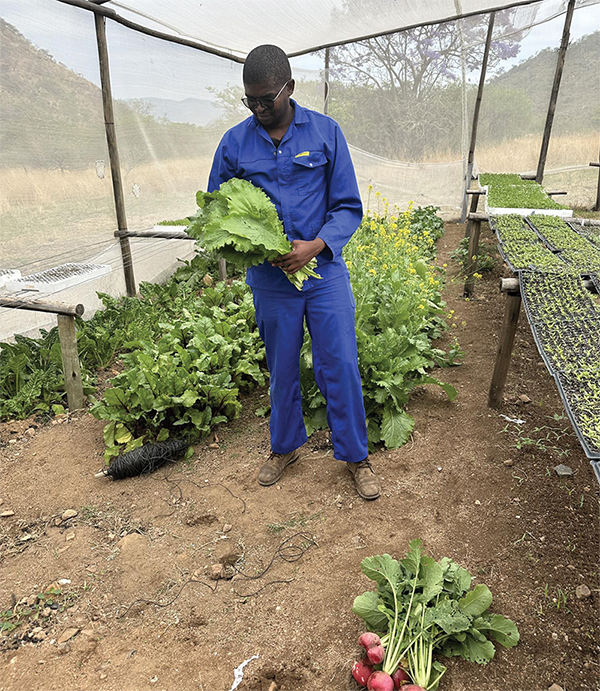 founded by 36-year-old Mfanzile Maseko, is a practical example of how agriculture can unlock economic potential in South Africa’s rural areas. Based in Mooiplaas in the Gert Sibande District Municipality, the enterprise is involved in piggery production, broiler production, cattle farming, maize planting and a range of vegetable plantations.
In an interview with Vuk’uzenzele, Maseko said the idea for Inkaba Farming Project emerged from observing untapped agricultural opportunities in his home area.
“I started farming in 2019. After working for some time, you realise the potential that exists in the rural areas that we come from,” he explained. “I realised that there was a huge opportunity to go into farming in the area that I come from. A lot of people in rural areas don’t take advantage of the land at their disposal.”
For Maseko, farming was not only about generating personal income, but also about addressing unemployment. “Farming is one of the things that we can do in these areas to generate an income and create employment opportunities,” he said.
To turn his vision into reality, Maseko approached local traditional leadership to access land.
“I approached the local chief for permission to utilise tribal land,” he recalled. “We were granted permission for 30 hectares of land, and we started growing broilers and pigs.”
While the early stages showed promise, the business soon faced unexpected challenges. “We were doing well, but then came the COVID-19 pandemic, followed by swine flu. That impacted our progress, but we didn’t give up,” Maseko said.
He added that the land was largely suitable for livestock farming. “On this land, we built a poultry house with the capacity for 1 500 chickens per cycle. From there, we sold to local communities.” This local market helped sustain the project during difficult periods.
Reaching major milestones
Two years later, Inkaba Farming Project reached a major milestone when it was granted a lease on a 1 000-hectare farm by the Department of Agriculture and Rural Development.
“That changed every- thing for us,” said Maseko. On the expanded land, the enterprise introduced vegetable farming, producing green peppers, chillies, paprika, okra, pumpkin and other crops.
Market access has been key to the farm’s growth. “We don’t have specific contractors,” Maseko explained. “We sell our produce through fresh produce markets such as those in Nelspruit and Witbank. We also deliver to retail shops and smaller fresh produce markets, and we receive a lot of support from them.”
In 2022, Inkaba Farming Project received funding from the National Youth Development Agency (NYDA), enabling further diversification.
“After learning about the NYDA, I attended one of their week-long business development courses. We then applied for the grant, which was approved. It helped us build a nursery and purchase the equipment we needed to run it,” he said. The nursery now produces seedlings for the farm and surrounding growers.
The farm currently employs five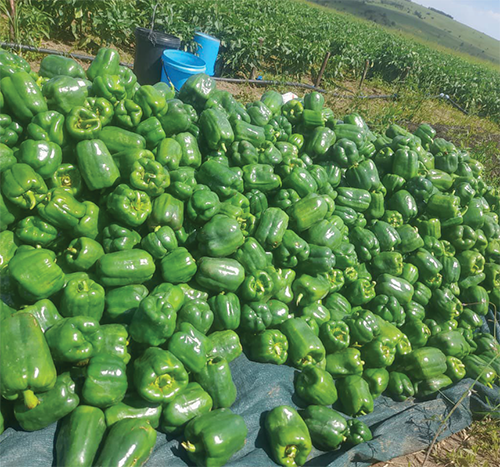 permanent staff members. In December 2025, Maseko made a decisive personal commitment to the venture by leaving his job in the mining sector.
“I am a qualified auto electrician, and I resigned from my 15-year job at a mine in Mpumalanga to become a full-time farmer. I also hold a diploma in electrical engineering from Tshwane South College,” he said.
Looking ahead, Maseko is determined to expand Inkaba Farming Project further.
“I need to make this work and create jobs because there is a demand for jobs in this country,” he said.
For more information, call 071 348 7131 or email mfanzilemaseko36@gmail.com.
For further information about the NYDA, visit www.nyda.gov.za
 Email
Email Facebook
 Twitter
 WhatsApp