


Groundbreaking research by 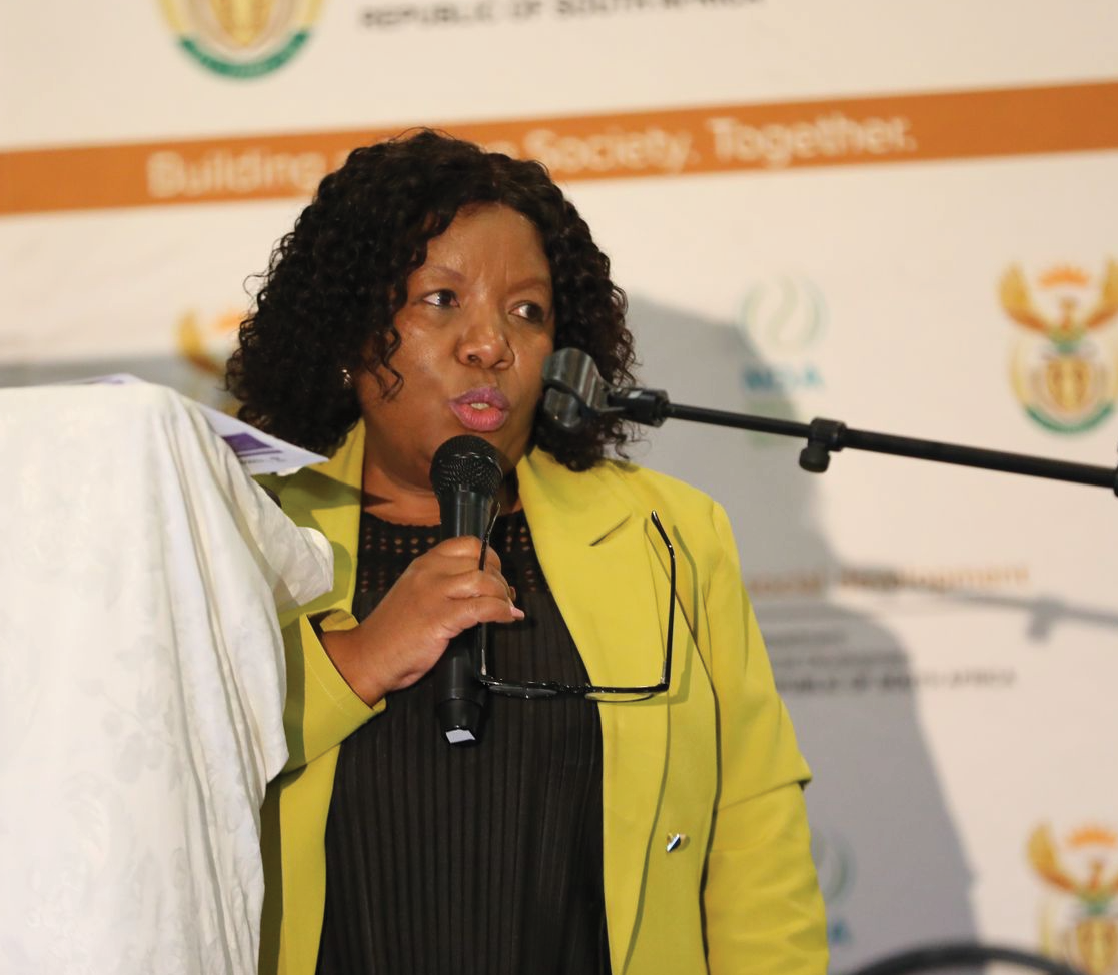 professional nurse and forensic medical expert, Dr Annah Mabunda set the tone for the 2025 National Shelter Indaba, highlighting how shelters play a critical role in restoring the mental well-being of survivors of long-term abuse.
Dr Mabunda is an Assistant Director in the Clinical Forensic Medical Services within the City of Ekurhuleni District Health Services. Her research formed part of her doctoral studies at Sefako Makgatho Health Sciences University, focusing on intimate partner violence — particularly the critical moment when women decide to leave abusive relationships.
Drawing on her 38 years of clinical experience, Dr Mabunda presented a study conducted across four Gauteng shelters. The research found that survivors who remain in shelters long enough to stabilise emotionally experience significant improvements in their mental health.
“Shelters are not just emergency spaces; they are therapeutic environments for deep healing. Our systems must ensure that every survivor receives dignified, consistent care,” she said.
Survivors described shelters as safe, homely and restorative places where they could think clearly, reclaim their identities and begin rebuilding their lives. Many accessed skills programmes in hairdressing, nail artistry and entrepreneurship, while others received bursaries to further their studies.
Her findings anchored the Department of Social Development and National Shelter Movement of South Africa’s 2025 National Shelter Indaba, held recently at the Birchwood Hotel.
The three-day gathering brought together several government departments — including Public Works and Infrastructure, Health and the South African Police Service — alongside civil society organisations, frontline shelter workers, legal experts and academics.
Hosted under the theme “Sheltering & Beyond: Building Bridges of Prevention & Intervention,” the Indaba assessed the state of shelters across all nine provinces, strengthened intersectoral collaboration, and reinforced national efforts to prevent and respond to gender-based violence and femicide (GBVF), intimate partner violence and the growing threat of human trafficking.
Emotional state of women entering shelters
Founder of Tosunga Baninga and GBV survivor Norma Uhuru Mbele spoke about the emotional state of women entering shelters.
“Survivors often arrive deeply broken, carrying fear, silence and mistrust,” she said.
Mbele praised social workers for the critical role they play in rebuilding trust. Through regular sessions and consistent support, survivors slowly begin to open up, connect with others and regain confidence.
“Social workers provide stability at a time when almost everything else feels uncertain.”
She appealed to families, communities and society at large, stressing that no one deserves to experience GBV.
Mbele urged communities to stop protecting perpetrators simply because they are breadwinners, and called on families to prioritise safety, healing and justice over financial dependence or social pressure.
Did you know?
If you are a survivor of GBV and need assistance, contact the Gender-Based Violence Command Centre (GBVCC) — available 24/7:
- Toll-Free: 0800 428 428
- USSD “Please Call Me”: *120*7867#
- SMS Line (for persons with disabilities / Deaf community): 31531
- Skype: Helpme GBV
- WhatsApp / Chat Helpdesk: +27 82 821 3445
 Email
Email Facebook
 Twitter
 WhatsApp