

Effective oversight cannot be exercised from behind a desk. It requires visibility, accessibility, and meaningful engagement with the people it is intended to serve. For the Office of the Military Ombud, strengthening accountability within the South African National Defence Force (SANDF) begins with listening to members of the SANDF, understanding the realities of military service, and ensuring that serving members know where to turn to when they require assistance. Achieving this meaningful connection requires a deliberate strategy of regular engagement and a hands-on approach that takes the Office's services directly to the people it serves.
The Outreach Programme 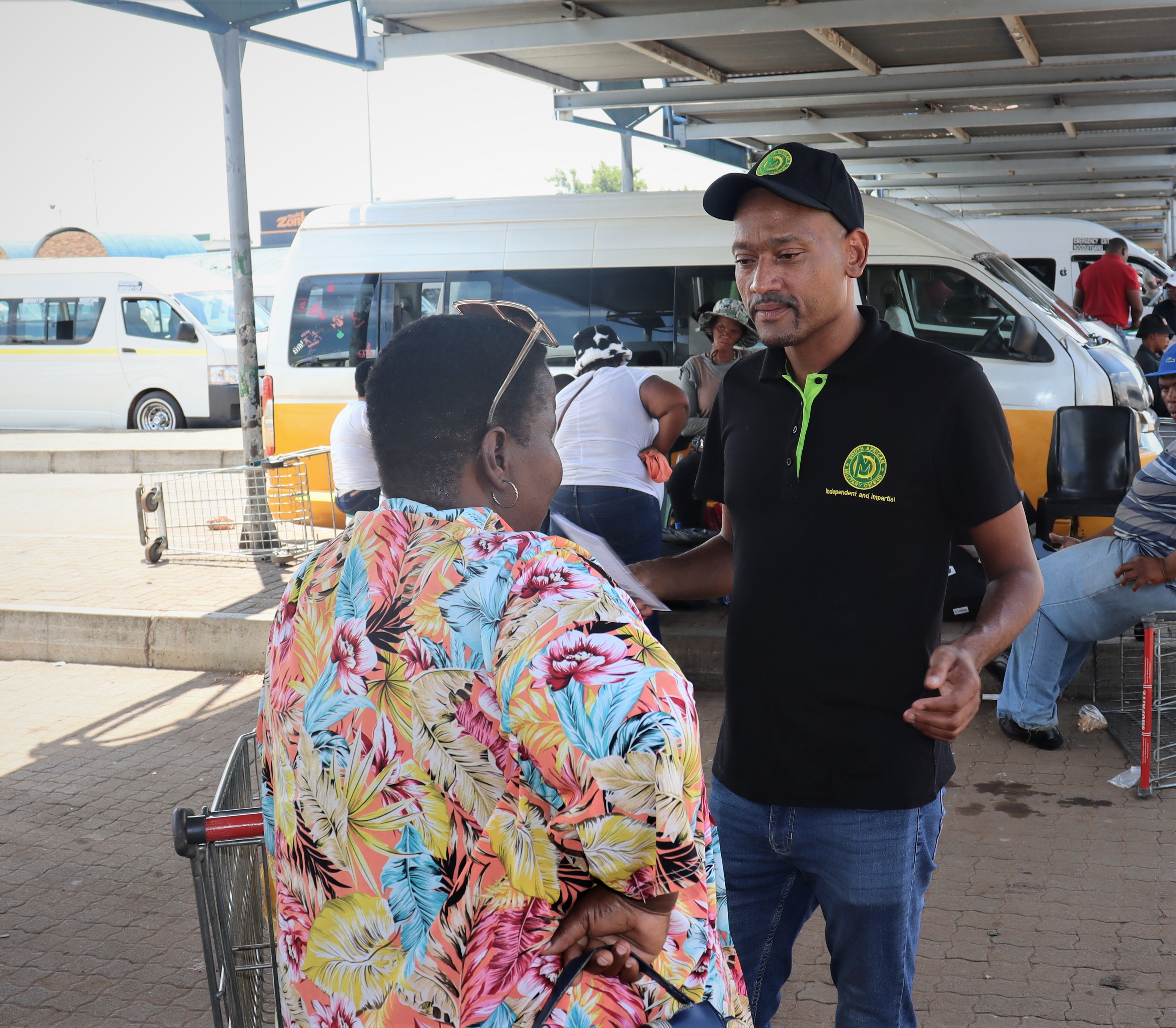 gives practical effect to this commitment and remains a cornerstone of the Office's stakeholder engagement efforts. Beyond its awareness-raising function, the initiative creates structured opportunities for direct interaction with members of the SANDF. It provides a dedicated platform for concerns to be raised, questions to be addressed, and institutional trust to be strengthened through face-to-face engagements.
Established in terms of the Military Ombud Act, 2012 (Act No. 4 of 2012), the Office serves as an independent external mechanism mandated to investigate complaints lodged in writing by serving and former members of the SANDF regarding their conditions of service, as well as members of the public concerning the official conduct of a soldier on duty. Central to this mandate is the promotion of fairness, accountability, and administrative justice within the military environment.
As a longstanding component of the Office’s communication and stakeholder engagement strategy, the Outreach Programme brings the services of the Military Ombud closer to those it serves across military units, operational areas, and local communities. Insights from a stakeholder perception survey conducted by the Security Institute for Governance and Leadership in Africa (SIGLA) further highlighted the need to sustain this visibility.
To achieve these strategic goals on the ground, the programme serves as both an educational and practical listening platform. Members of SANDF receive clarity and guidance on the role and powers of the Military Ombud, complaint procedures, investigation processes, and jurisdictional requirements. Beyond raising awareness, these sessions create an environment where members can openly share their experiences, concerns, and expectations. The outcome provides valuable insight into the challenges affecting members and highlights opportunities for continued, constructive engagement between the Office and the SANDF.
In the course of implementing these interactive sessions, a number of recurring themes and operational concerns have emerged from engagements with members nationwide. One of the most consistent themes relates to the functionality of the Individual Grievance Regulations (IGR), which govern internal workplace complaint procedures within the SANDF. Members expressed the need for a system that is accessible, responsive, and capable of resolving concerns efficiently. They highlighted delays in grievance processing, limited feedback, and difficulties in tracking grievances, underscoring the importance of effective grievance management.
Closely linked to these structural challenges are the experiences of Reserve Force members. Discussions frequently focused on conditions of service such as access to benefits, training opportunities, allowances, career progression, and mobilisation (call-up) processes. Members consistently called for greater consistency in the application of policies and administrative processes affecting both Regular and Reserve Force members.
Alongside these service conditions, broader questions regarding promotions, transfers, housing allowances, and the interpretation of administrative instructions also featured prominently. These discussions underscored the importance of transparent communication and uniform policy implementation across formations. Beyond these administrative matters, workplace culture and organisational climate emerged as equally important themes. Members emphasised the need for a supportive environment in which concerns can be raised through the appropriate channels without fear of victimisation or prejudice.
Importantly, the feedback gathered from these interactions revealed a growing expectation that the Office should assist not only with individual complaints but also in identifying systemic issues affecting groups of members. This reflects an increasing recognition that recurring concerns often point to broader systemic challenges requiring strategic engagement at policy and implementation level. Such insights help the Office identify trends and contribute to discussions aimed at improving administrative processes across the Defence Force.
Recognising that military oversight also impacts civil society, the Office extended its outreach beyond members of SANDF through public activations conducted in partnership with the Government Communication and Information System (GCIS), the Department of Sport, Arts and Culture (DSAC), and other institutions. These initiatives provided opportunities to engage directly with the public on the role and mandate of the Military Ombud.
During engagements with members of the public, information sought relates to military veterans benefits, recruitment processes in the military, and a limited number of matters concerning the official conduct of soldiers. These interactions highlighted the importance of ongoing public education regarding distinct mandates and roles played by institutions operating within the defence environment.
Beyond outreach engagements, the Office remains committed to promoting dialogue, learning, and the exchange of knowledge on matters relating to military oversight and accountability. This ongoing commitment to professional knowledge exchange will be further advanced on 30 October 2026 through the Annual Military Ombud Symposium and Seven-Year Review event, marking the conclusion of the Military Ombud's term of office.
Ultimately, the Outreach Programme not only enhances awareness of the Office and its services but also serves as an important platform for identifying administrative, policy, and grievance-related challenges affecting members of the SANDF, thereby strengthening accountability and trust within the Defence Force.
 Email
Email Facebook
 Twitter
 WhatsApp